

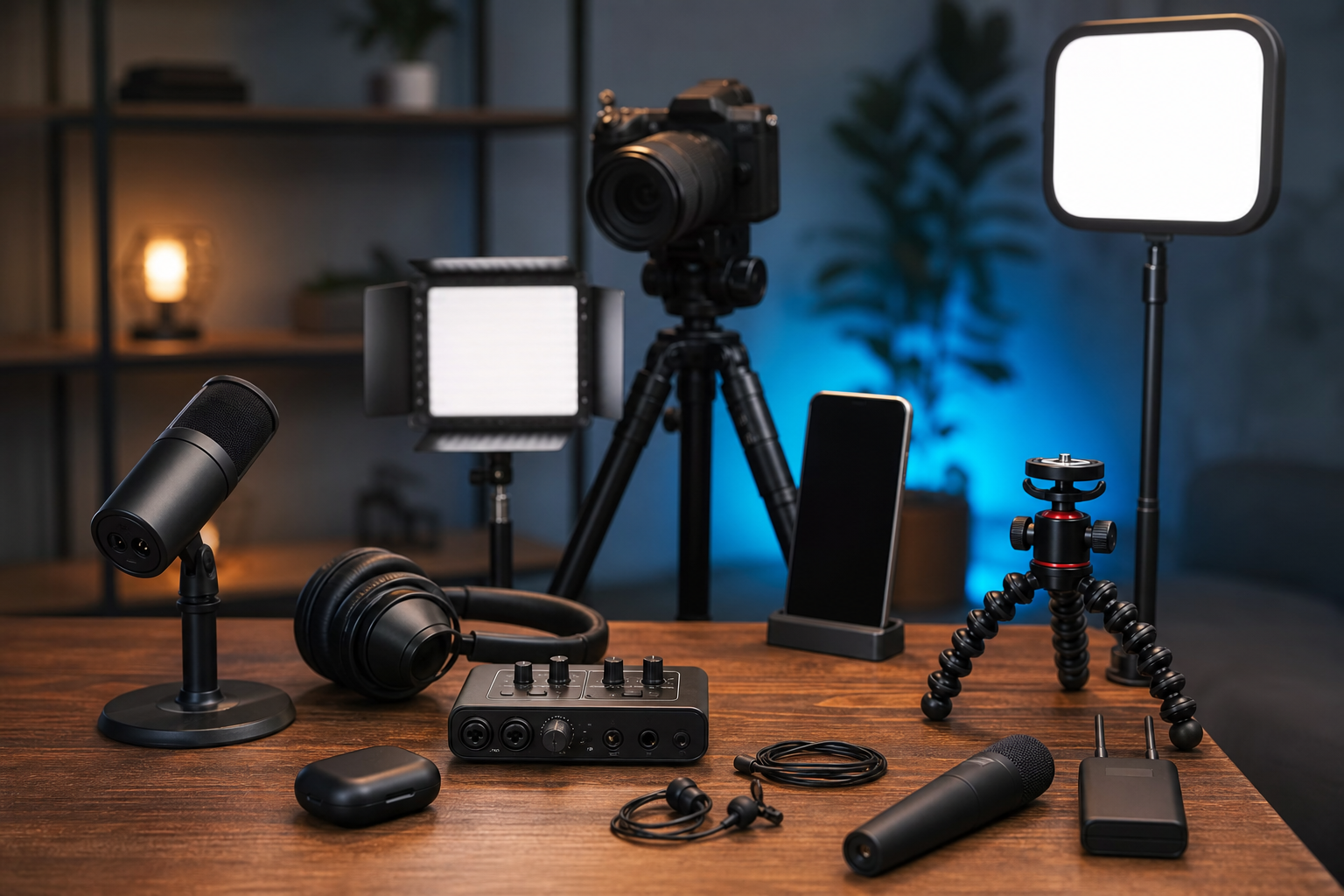
- Microphone Selection: Capturing Authentic Audio
- Specialized Microphones for Mobile Content
- Illumination Fundamentals: Video Lighting Equipment
- Power Solutions: Maintaining Operational Continuity
- Audio Mixing Infrastructure: Professional Sound Control
- Connectivity Essentials: Cables and Interfaces
- Environmental Control: Backdrops and Acoustic Treatment
- Equipment Synergy: Building Cohesive Systems
- Future-Proofing Your Investment
- Frequently Asked Questions About Video Audio Setups
- What distinguishes professional video audio equipment from consumer alternatives?
- How much should content creators budget for comprehensive setups?
- Can smartphone-based setups achieve professional results?
Establishing a professional video audio setup has become paramount for content creators navigating the digital landscape of 2026. The convergence of visual storytelling and pristine sound quality distinguishes amateur productions from professional-grade content that captivates audiences. Whether you're documenting weddings, producing music videos, hosting podcasts, or streaming live performances, the equipment you select fundamentally shapes your creative output and viewer engagement.
Modern content creation demands more than basic recording capabilities. Your audience expects crystal-clear dialogue, immersive ambient soundscapes, and visual presentations that maintain professional standards across multiple platforms. The following comprehensive guide illuminates essential equipment components that transform rudimentary setups into sophisticated production environments worthy of discerning viewers and listeners.
Microphone Selection: Capturing Authentic Audio
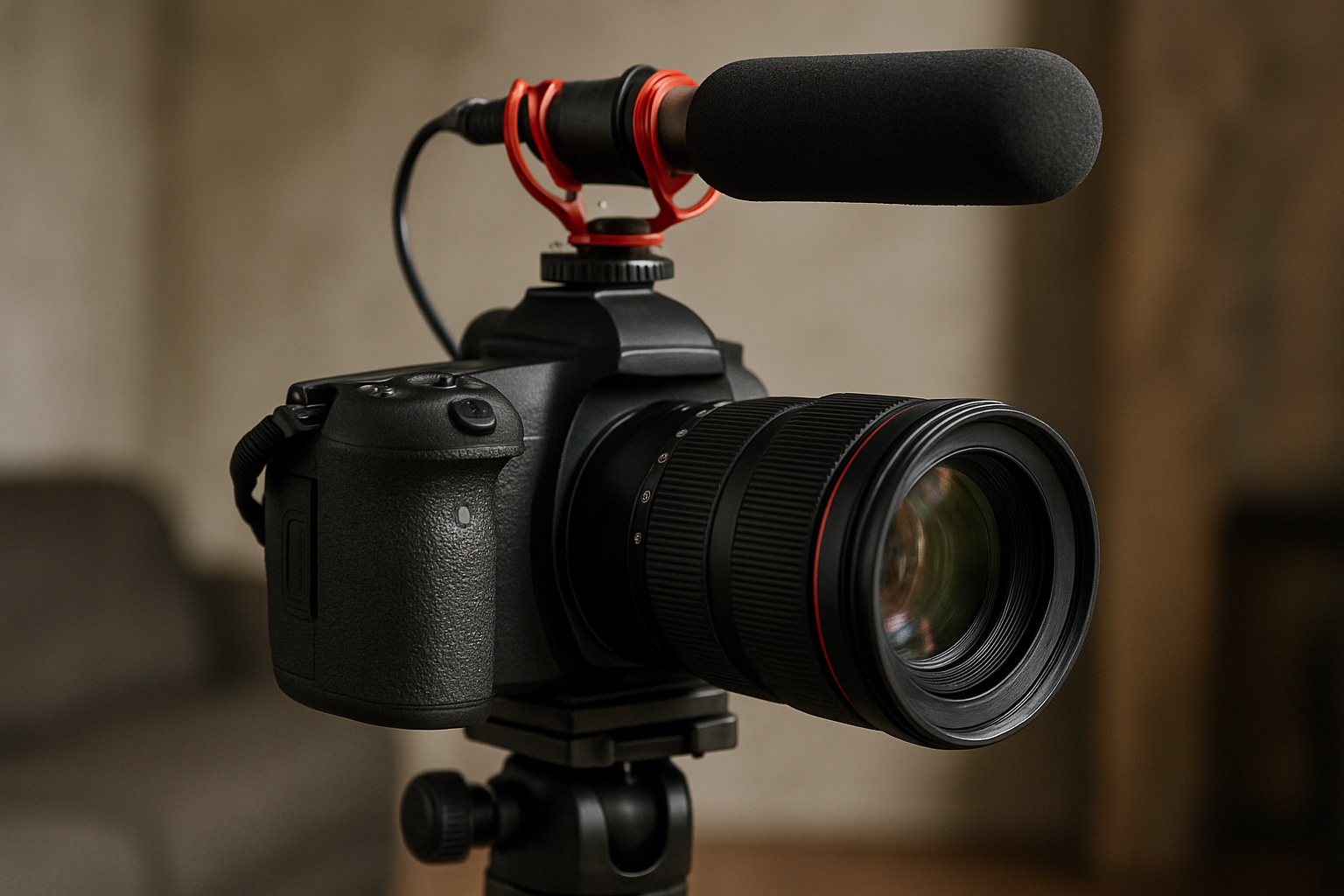
The cornerstone of any formidable video audio setup resides in microphone selection. Different recording scenarios necessitate distinct microphone types, each engineered to excel in specific applications. Camera-mounted shotgun microphones provide directional audio capture for videographers filming interviews or documentary-style content, effectively isolating subject voices while minimizing environmental interference.
Desktop microphones have revolutionized podcasting and streaming workflows, delivering studio-quality recordings without demanding extensive technical knowledge. Condenser variants offer superior sensitivity for capturing vocal nuances, making them indispensable for musicians and voiceover artists who require pristine fidelity. Dynamic microphones, conversely, excel in high-volume environments where durability and feedback rejection prove critical.
Wireless UHF microphone systems liberate performers and presenters from cable constraints, enabling natural movement without compromising audio integrity. These sophisticated systems operate across multiple frequencies, providing interference-resistant transmission that remains stable even in electromagnetically congested venues. For karaoke singers and DJ professionals, wireless systems facilitate spontaneous performances while maintaining broadcast-quality audio standards.
Specialized Microphones for Mobile Content
Phone microphones have emerged as essential accessories for content creators leveraging smartphone technology. These compact devices transform mobile devices into legitimate recording platforms, capturing audio quality that rivals traditional camera setups. Lavalier configurations offer discrete mounting options for interview subjects, while directional phone microphones enhance vlogging capabilities by focusing on forward-facing audio sources.
Illumination Fundamentals: Video Lighting Equipment
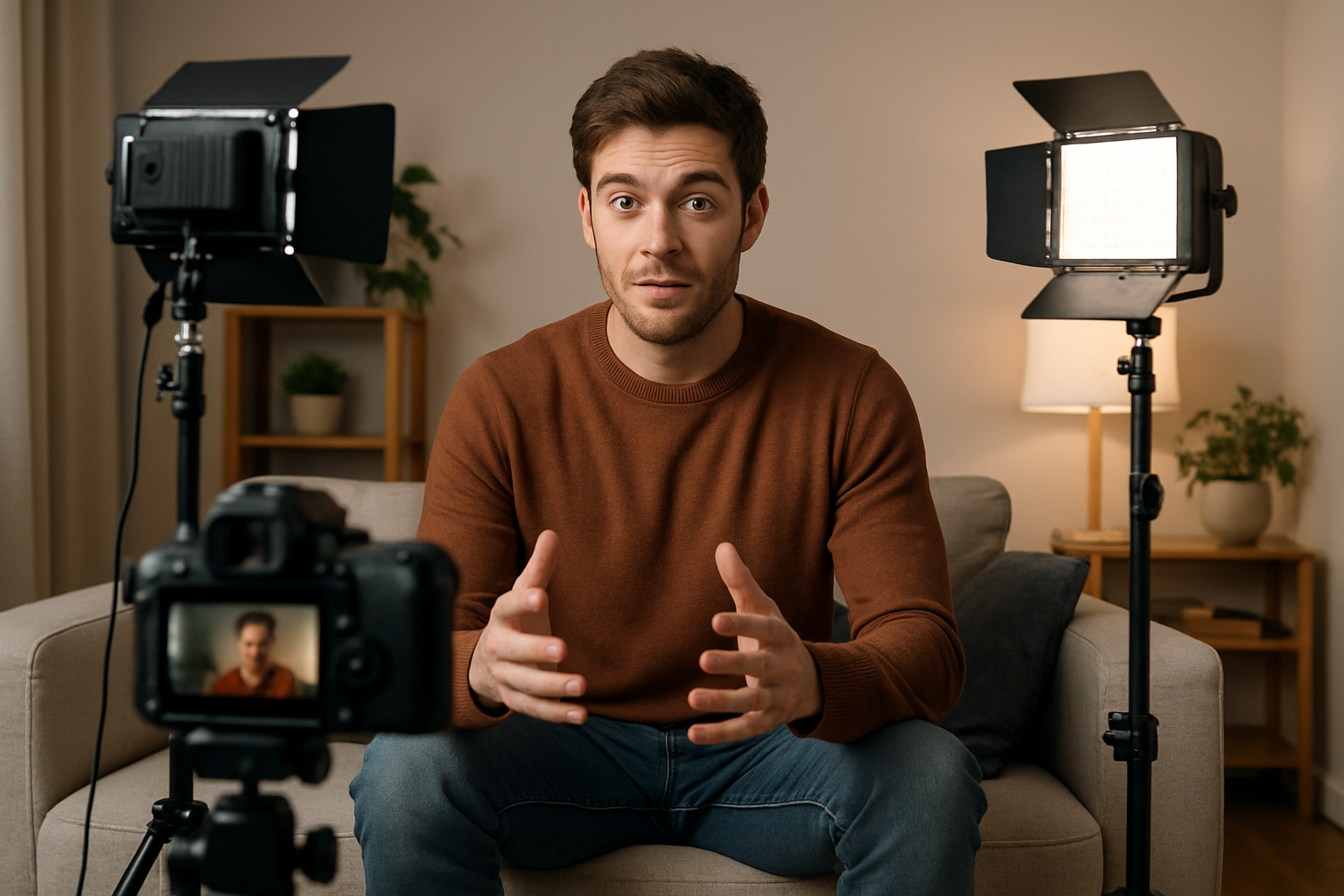
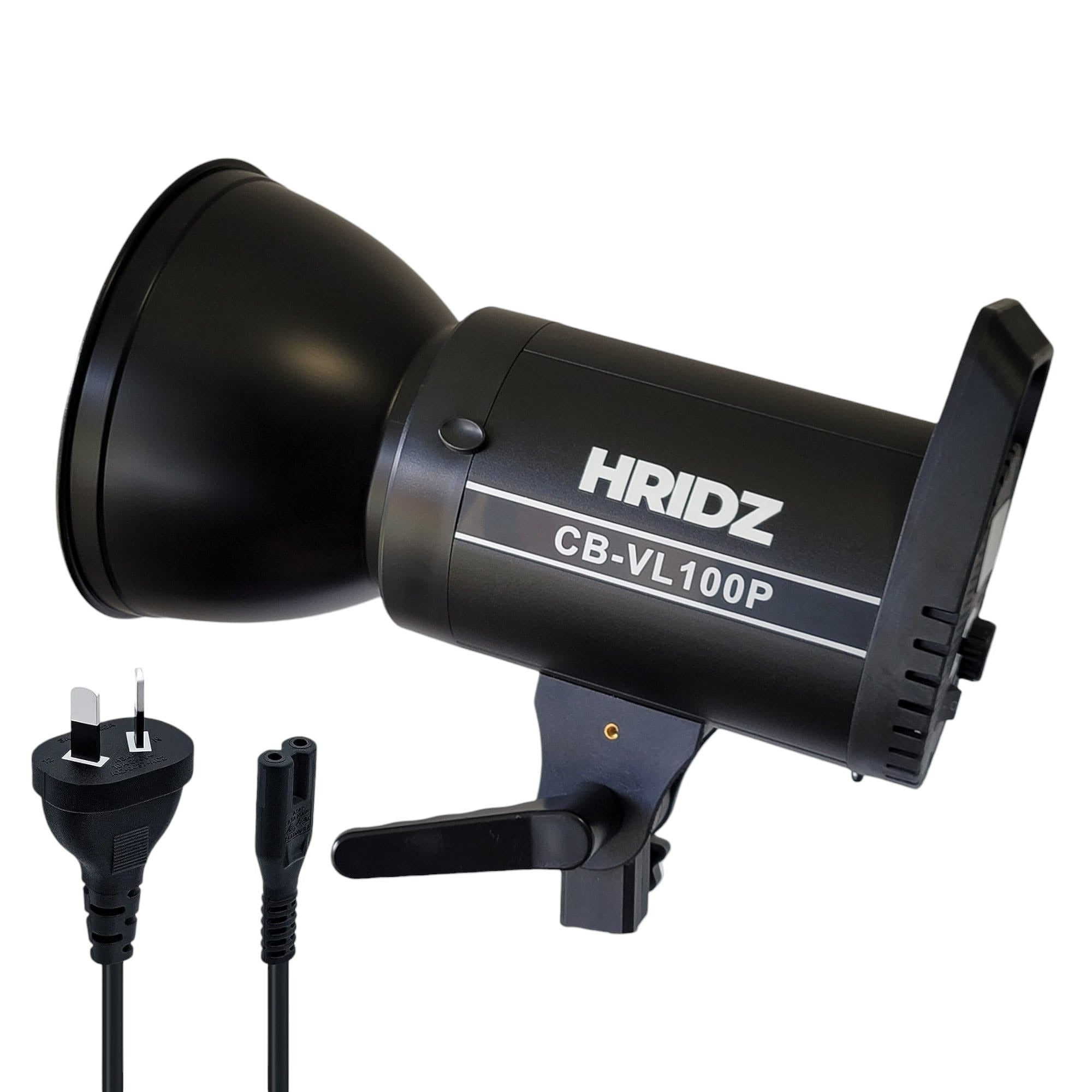
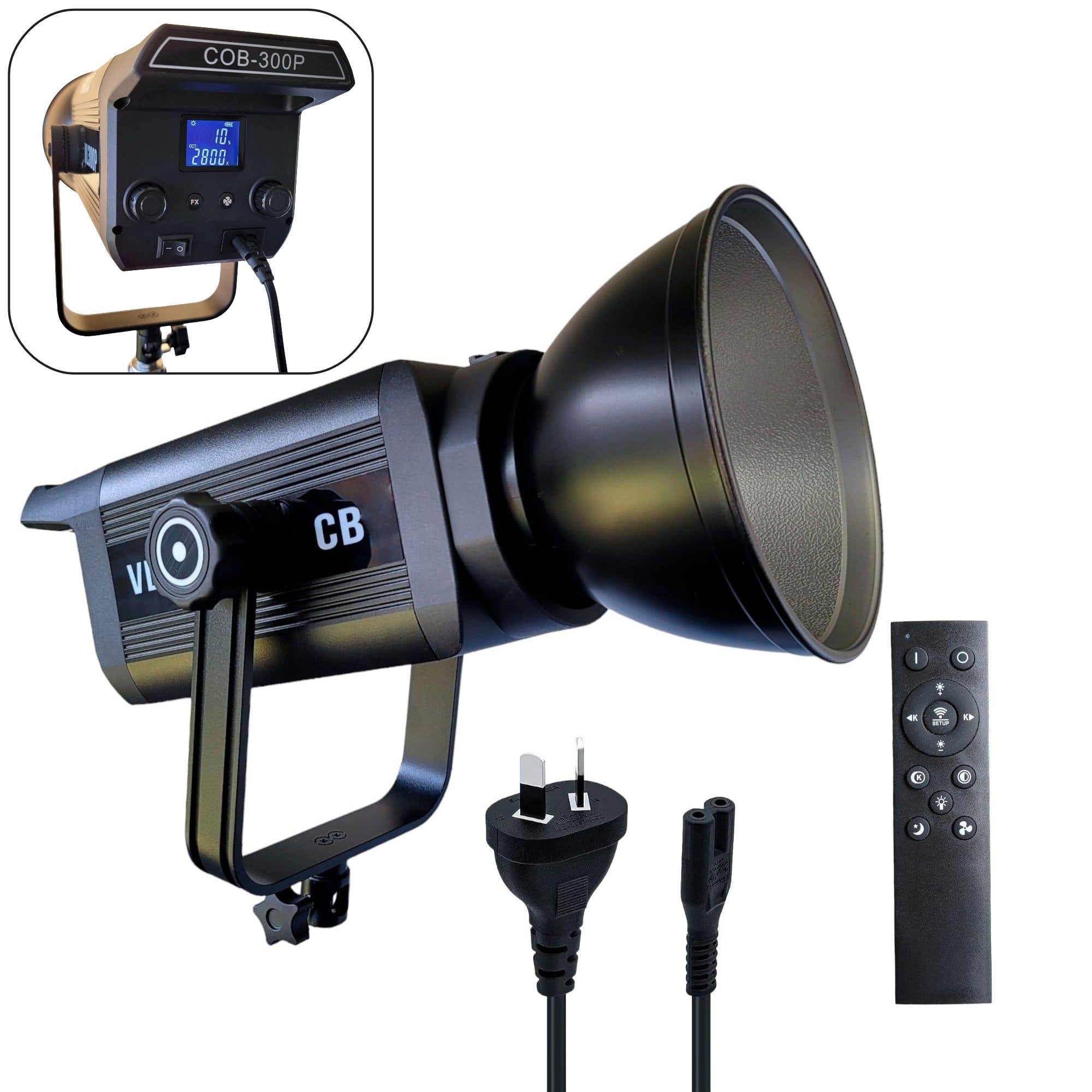
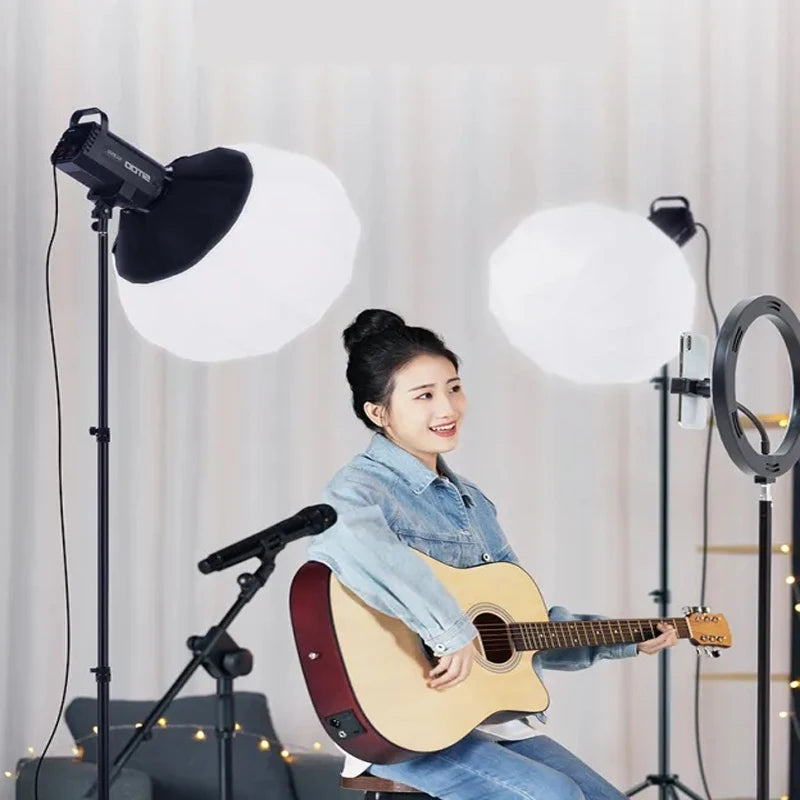
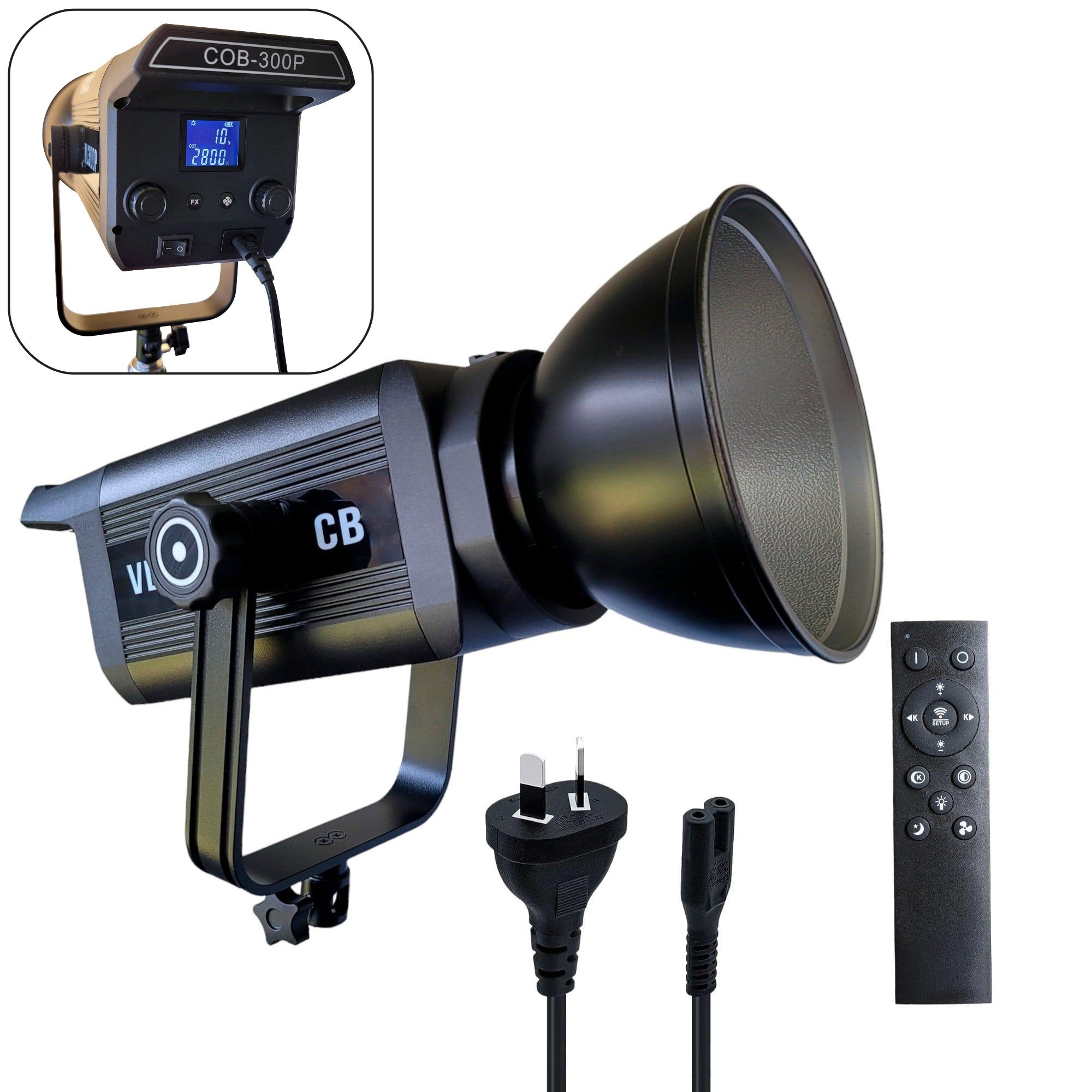
Proper illumination elevates video production from mediocre to magnificent. Video lights constitute the visual foundation that separates professional content from poorly-lit amateur attempts. LED panel lights have dominated the 2026 market due to their energy efficiency, color accuracy, and adjustable temperature controls that adapt to diverse shooting environments.
Three-point lighting remains the gold standard configuration, employing key lights, fill lights, and backlights to sculpt dimensional imagery that flatters subjects while eliminating unflattering shadows. Softboxes diffuse harsh illumination, creating gentle, wraparound lighting that mimics natural daylight and proves particularly flattering for portrait videography and product demonstrations.
| Lighting Type | Primary Application | Key Benefit |
|---|---|---|
| LED Panel Lights | General videography | Adjustable color temperature |
| Softboxes | Portrait and interviews | Diffused, flattering illumination |
| Ring Lights | Close-up beauty shots | Even, shadow-free lighting |
| RGB Accent Lights | Creative background effects | Atmospheric color control |
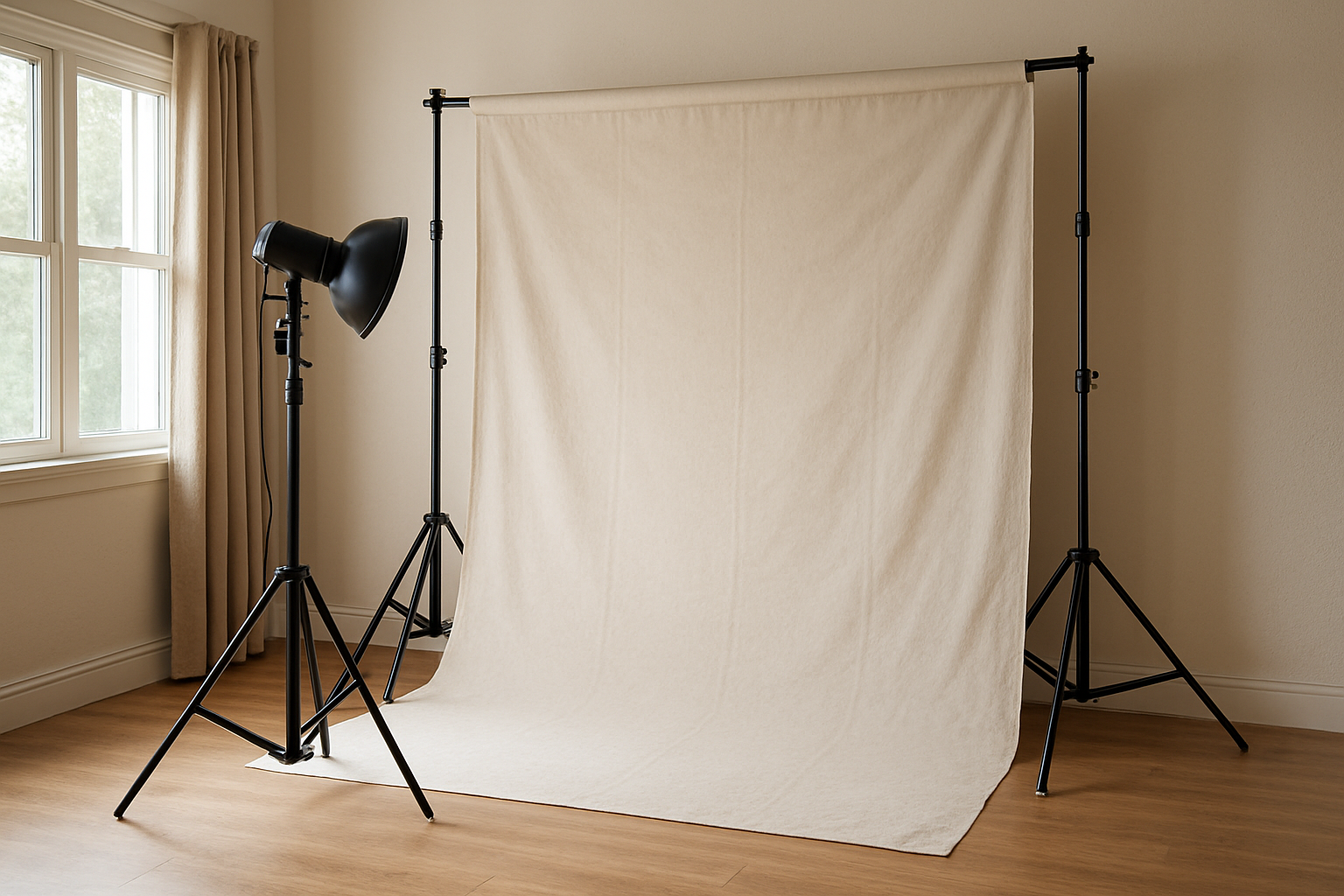
Light stands provide essential elevation and positioning flexibility, enabling precise light placement that adapts to varying ceiling heights and spatial constraints. Adjustable stands with robust locking mechanisms ensure stability during extended shooting sessions, preventing costly equipment damage and maintaining consistent lighting throughout production.
Power Solutions: Maintaining Operational Continuity
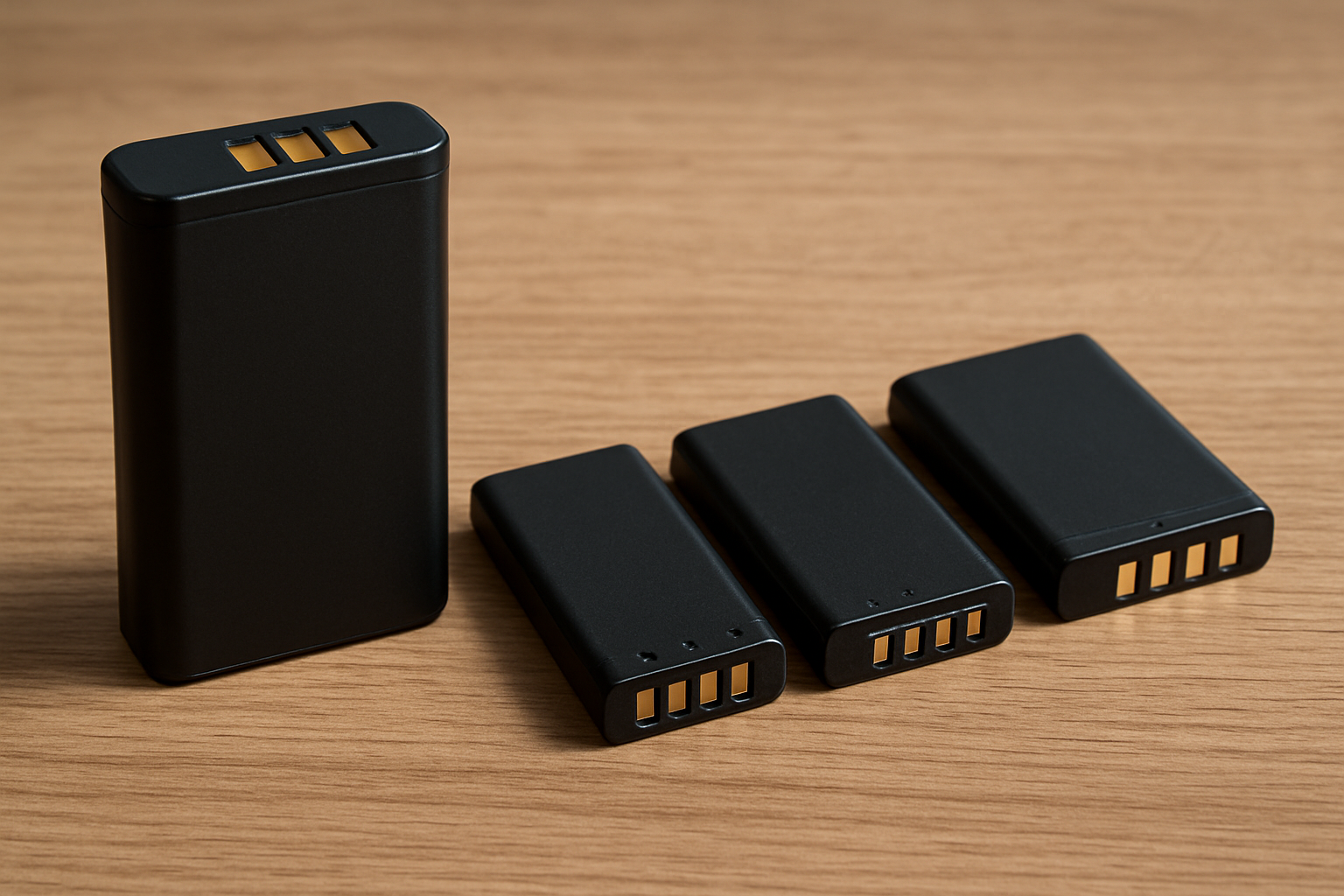
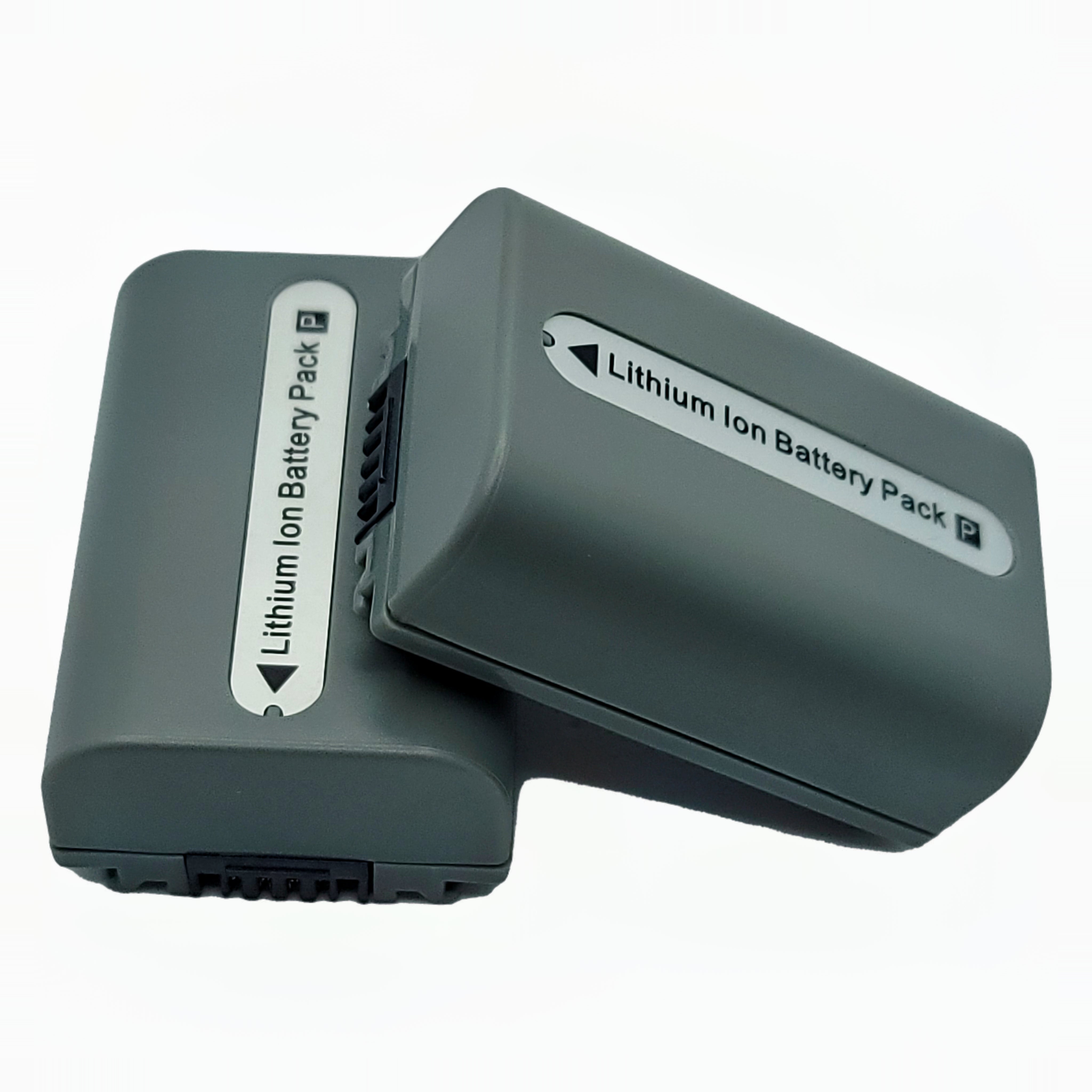
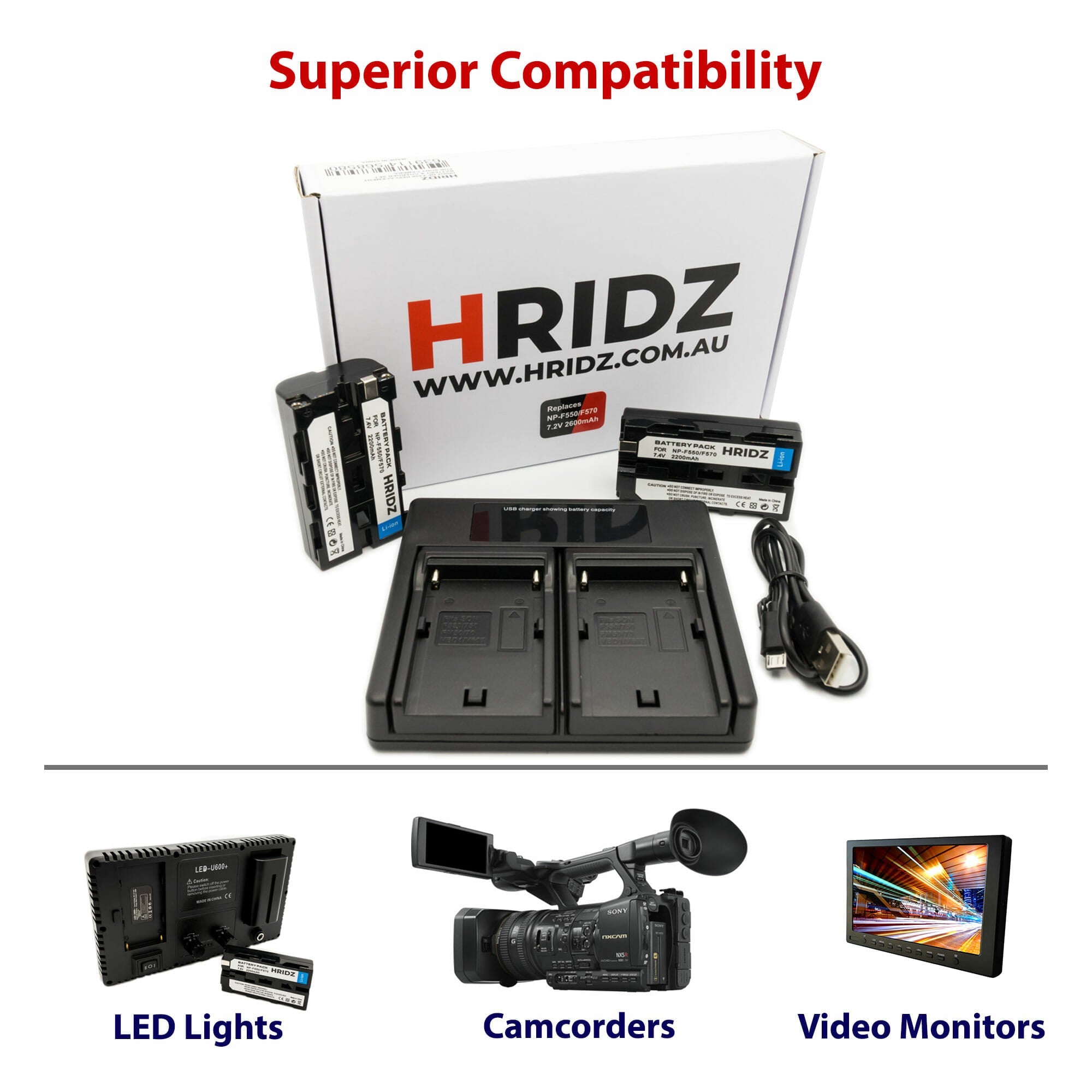
Camera batteries represent a frequently overlooked yet absolutely critical component of professional video audio setups. High-capacity lithium-ion batteries enable extended recording sessions without interruption, particularly vital during events where missing crucial moments proves unacceptable. Smart battery management systems monitor charge levels and prevent premature depletion, extending overall battery lifespan.
Backup battery inventories safeguard against unexpected power depletion during critical shoots. Professional videographers typically maintain rotational charging systems, ensuring freshly charged batteries remain perpetually available. External battery packs and grip extensions further augment recording duration for marathon shooting schedules that exceed standard battery capacities.
Audio Mixing Infrastructure: Professional Sound Control
Audio mixers transform multiple input sources into cohesive, balanced soundscapes. These sophisticated devices empower creators with precise control over individual audio channels, enabling real-time adjustments to volume levels, equalization parameters, and effects processing. For DJ professionals and musicians, mixers constitute the command center orchestrating complex audio arrangements.
Digital mixing consoles offer unprecedented flexibility through programmable presets, scene recall functions, and integrated effects processors. Multi-track recording capabilities facilitate post-production refinement, allowing creators to isolate and enhance individual elements within composite audio arrangements. Compact portable mixers accommodate mobile production requirements without sacrificing essential functionality.
Connectivity Essentials: Cables and Interfaces
Premium audio cables ensure signal integrity across your entire production chain. XLR cables provide balanced audio transmission that rejects electromagnetic interference over extended cable runs, maintaining pristine sound quality from microphone to mixer. Professional-grade connectors feature gold-plated contacts and robust strain relief designs that withstand repeated connection cycles.
The quality of your cables directly impacts audio fidelity. Investing in properly shielded, correctly terminated cables prevents signal degradation and eliminates frustrating noise issues that plague budget alternatives.
Environmental Control: Backdrops and Acoustic Treatment
Backdrops establish visual context and eliminate distracting environmental elements from your frame. Collapsible backdrop systems provide portable solutions for location shoots, while permanent installations benefit from seamless paper or fabric backgrounds in versatile colors. Chroma key backgrounds facilitate virtual set extensions and creative compositing possibilities during post-production.
Acoustic treatment optimizes recording environments by controlling reverberation and eliminating unwanted reflections. Strategically placed absorption panels tame problematic frequencies while maintaining natural room ambiance. For musicians and podcasters, proper acoustic treatment proves as essential as microphone selection in achieving professional-quality recordings.
Equipment Synergy: Building Cohesive Systems
Successful video audio setups transcend individual component quality, achieving synergy through thoughtful integration. Balanced investments across microphones, lighting, power management, and audio processing create production capabilities exceeding the sum of isolated parts. Understanding signal flow from source to final output enables informed purchasing decisions aligned with specific creative requirements.
Modular equipment approaches accommodate budget constraints while maintaining upgrade pathways. Beginning with fundamental necessities and progressively expanding capabilities prevents overwhelming initial investments while ensuring each addition meaningfully enhances production quality. Compatibility considerations prevent integration headaches, ensuring new acquisitions seamlessly interface with existing infrastructure.
Future-Proofing Your Investment
The rapid evolution of content creation technology demands forward-thinking equipment strategies. Selecting gear with expandable features and firmware update capabilities protects against premature obsolescence. Industry-standard connections and universal mounting systems ensure longevity even as specific components undergo replacement or upgrades.
- Prioritize equipment from manufacturers with established reputations for long-term support
- Select modular systems permitting incremental capability enhancements
- Invest in cables and accessories exceeding current requirements to accommodate future expansion
- Research compatibility with emerging formats and technologies before finalizing purchases
Frequently Asked Questions About Video Audio Setups
What distinguishes professional video audio equipment from consumer alternatives?
Professional equipment prioritizes signal integrity, build durability, and precise control over convenience features. Balanced audio connections, metal construction, serviceable components, and expanded adjustment ranges characterize professional gear designed for demanding production environments and repeated use.
How much should content creators budget for comprehensive setups?
Entry-level professional configurations typically range from $800 to $2,000, while intermediate setups span $2,000 to $5,000. Advanced broadcast-quality systems frequently exceed $10,000. Prioritizing microphones and lighting yields maximum initial impact, with gradual expansion into specialized equipment as skills and requirements develop.
Can smartphone-based setups achieve professional results?
Modern smartphones possess impressive recording capabilities, but external microphones, stabilization equipment, and proper lighting remain essential for professional outcomes. Phone microphones dramatically improve audio quality beyond internal microphones, while supplementary video lights overcome smartphone sensor limitations in challenging illumination conditions.
Establishing a comprehensive video audio setup represents a significant investment in your creative future. Quality equipment from reputable suppliers like Hridz.com.au empowers photographers, videographers, musicians, DJs, and karaoke enthusiasts with tools matching professional standards at accessible price points. The convergence of superior audio capture, optimal illumination, and reliable power management creates production environments where technical limitations no longer constrain creative vision.

Share:
UHF Wireless Audio Mixer Setup: DJ and Karaoke System Guide